Home › Roofing in Etobicoke
Licensed & insured. Owner-inspected. Free itemized quote.
Etobicoke is bungalows from the 50s, brick from the 20s, flat-roofed additions from every decade since, and a wave of rebuilds on top of all of it. We've worked on each kind. The owner comes out, inspects, and quotes — nobody else.(416) 846-3797Or send the form and we'll call you back.
★★★★★5.0 on Google · 17 reviews
Most of Etobicoke was built between 1945 and 1965, and it shows in the roofs. Alderwood, Eatonville, Rexdale and Princess-Rosethorn are streets of bungalows and split-levels with simple hip and gable roofs that are on their second or third layer of shingles; the question on those houses is what the deck looks like under the layers. The older south end — Mimico, New Toronto, Long Branch — is 1920s to 40s housing, small brick and frame houses with low-slope rear roofs, and a huge number of flat-roofed additions bolted on over the years. The Kingsway and parts of Sunnylea and Humber Valley are the exception: 1920s to 40s brick houses with steep pitches, dormers and chimneys built for slate, where flashing and masonry are half the job. And across the whole district, especially Sunnylea, Long Branch and Humber Valley, older houses are being torn down for two-storey rebuilds with roofs far more complex than what they replaced.
The south end of Etobicoke sits right on the lake, and it gets the weather first. Storms that build over Lake Ontario come ashore at Humber Bay, Mimico and Long Branch with wind that lifts aging shingles and rain driven sideways into flashing that was fine in a normal downpour. Further north, Rexdale and Thistletown are open enough that wind does the same work from the west. Winter is milder here than in York Region, but it's wetter, and the freeze-thaw swings of February and March are hard on flat roofs — water sits, freezes, opens a seam, and the March rain finds it. On the treed lots of Princess-Rosethorn and Humber Valley, shade keeps north slopes damp for months and moss lifts the shingles from underneath.
A leak in an Etobicoke house rarely stays in the attic. On a 1950s bungalow with a low-slope rear roof, the water runs down inside the wall and appears at the foundation — which on most of these houses is block, laid before anyone waterproofed a basement. That's why we handle the roof, the chimney, the masonry and the foundation as one job: one crew traces the water from where it shows up to where it entered, and one written quote covers what it actually takes to stop it. The owner does the inspection and the quote himself. There's no salesperson between you and the person who'll be on your roof.
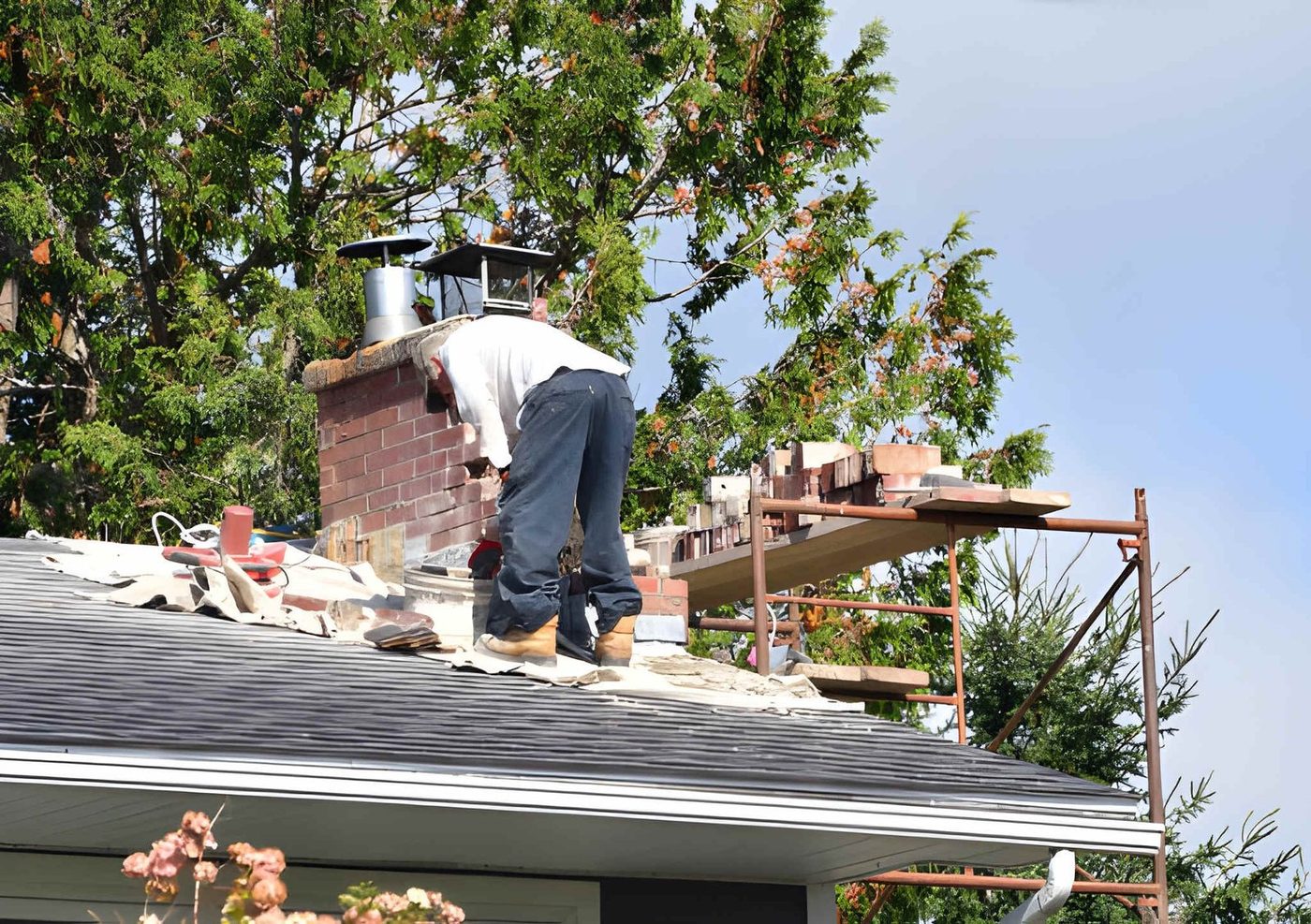
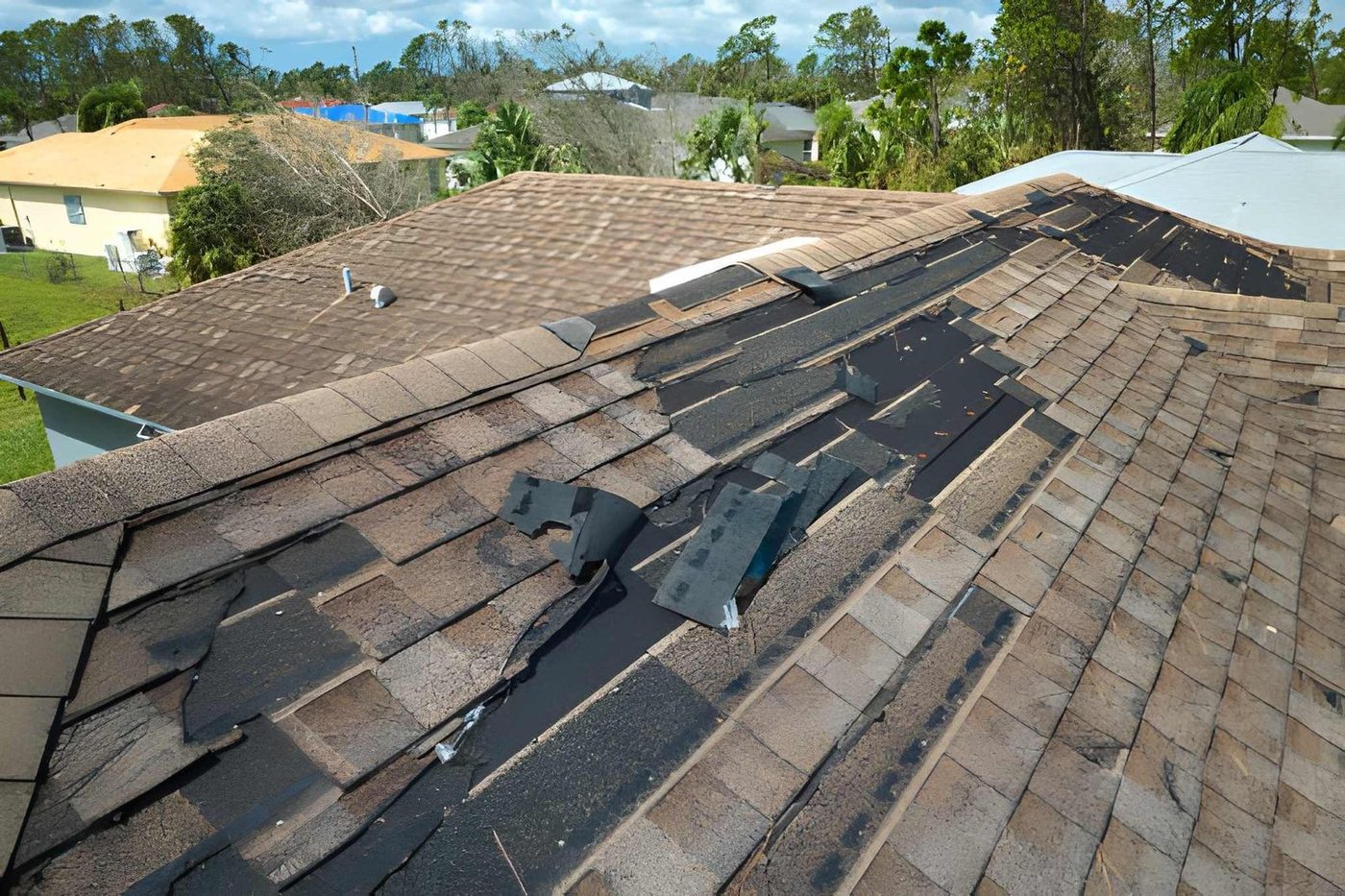
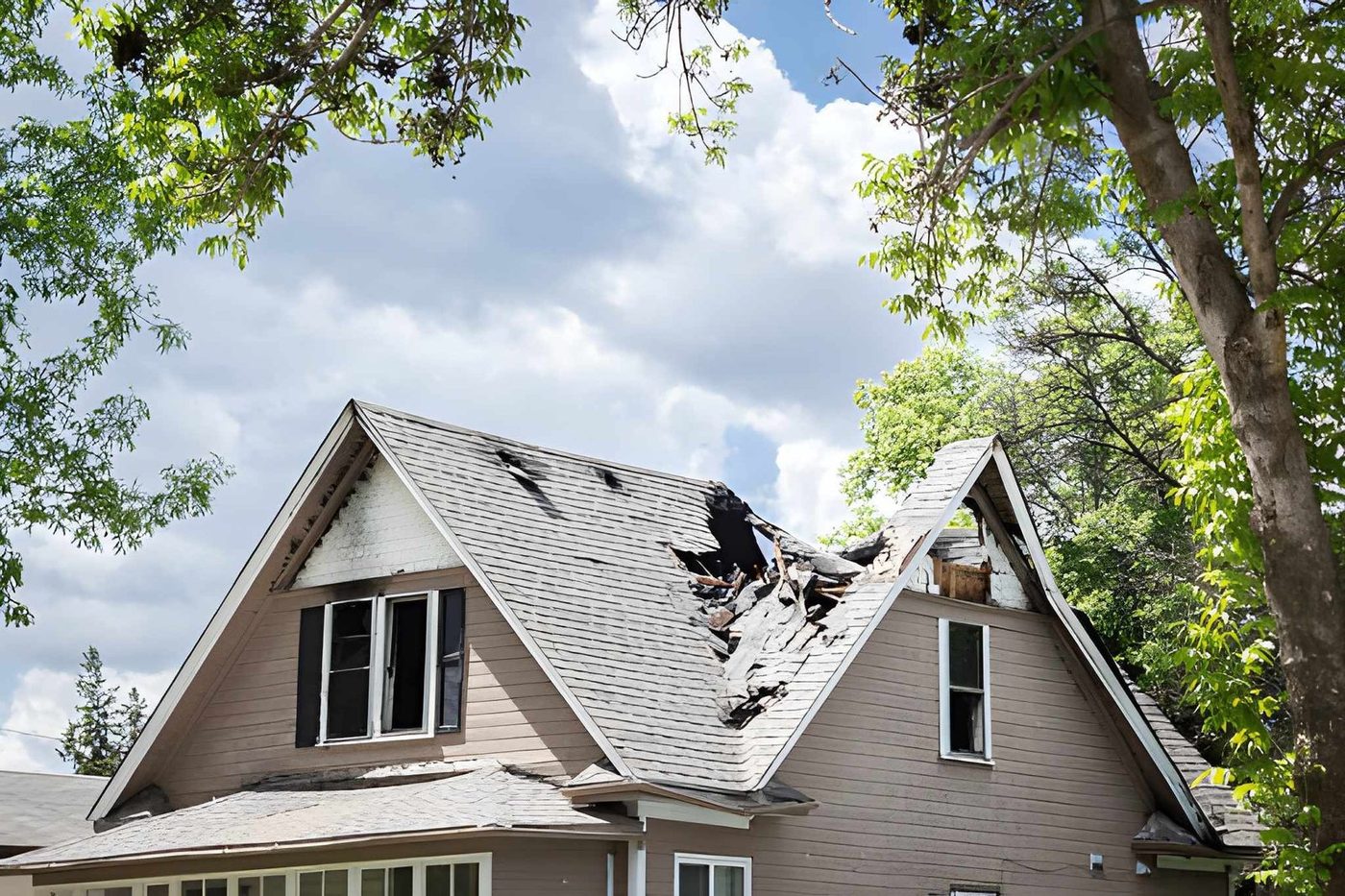
Etobicoke follows the City of Toronto's rules. A like-for-like re-roof — new shingles or a new membrane on the existing structure — normally does not need a building permit. A permit is required when the structure changes: raising the roof, adding a dormer, replacing rafters, or turning a flat roof into a pitched one, which comes up on Mimico additions and Long Branch rebuilds. We tell you before work starts if your job needs one, and we don't start until it's in hand.
Per-square-foot numbers you'll find online are averages that don't survive contact with a real roof. The real price depends on the pitch, how many layers have to come off, the condition of the deck once they're off, how much flashing and chimney work there is, and whether it's shingle or flat. A 1950s Alderwood bungalow with one layer and a simple hip roof and a Kingsway house with dormers and a chimney rebuild are not the same cost per foot — or close. Rather than quote a number that will be wrong for your house, the owner comes out, looks at everything, and gives you a written, itemized quote. It's free and there's no obligation.
Late spring through fall — roughly May to October — is when shingles seal properly and the crew can work full days. Shingles need warmth to bond, so a roof laid in deep cold can take until spring to seal and is more vulnerable to wind in the meantime. That said, a leaking roof in January doesn't wait for May: we do emergency repairs year-round and full replacements on the warmer winter days. If your roof is failing, the best season is before the next storm.
Tell us what's happening and the owner will come out for a free itemized quote.